Omnichannel direct mail integration – why it matters
Many brands treat their marketing channels as separate entities. The email team produces email messaging, the digital ads team creates digital ad campaigns, the social team plans out social conversations. And the direct mail team creates their own campaigns… with different messaging, different creative, and often even entirely different audiences!
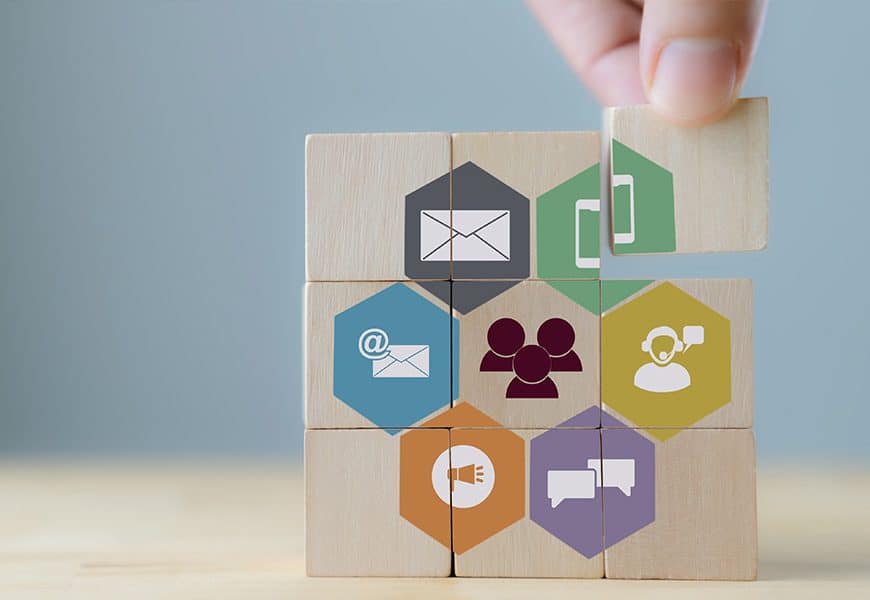
But consumers don’t experience brands that way. They move fluidly from device to device, from channel to channel, from online to offline.
When you connect your channels, each one amplifies the others. Direct mail becomes the tactile touchpoint that builds trust and reinforces your digital presence, turning disjointed interactions into one unified customer journey.
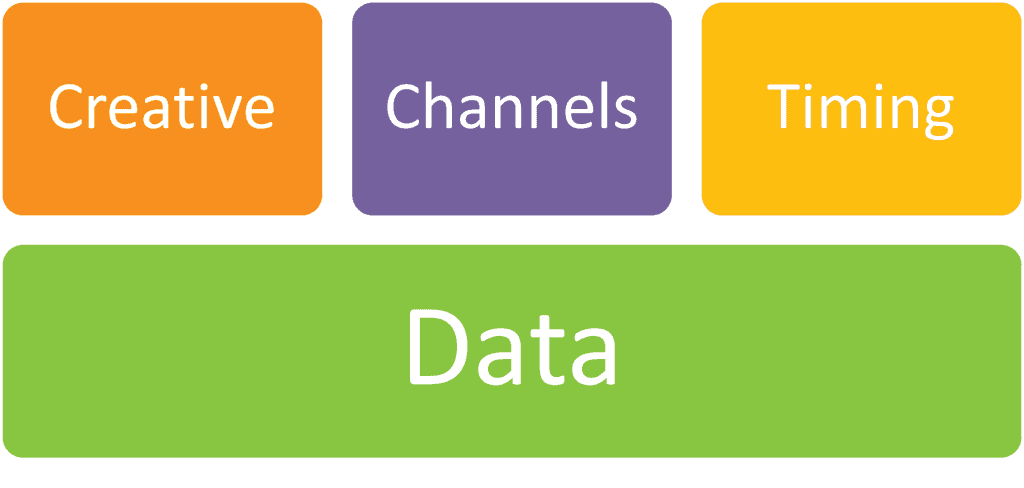
To achieve that, every successful omnichannel campaign relies on four essential components: data, creative consistency, channel synchronization, and timing. Mastering these fundamentals is how marketers turn direct mail from a stand-alone channel into a high-performing omnichannel direct mail integration campaign.
Audience & Data: The Foundation of Omnichannel Success
Why Data Matters
At sg360°, it begins and ends with data. Data fuels everything in omnichannel direct mail integration. Data defines who we are reaching, what the message says, and when it should be delivered. Without data alignment, even the best creative or offer can miss the mark.
In direct mail, targeting has evolved far beyond ZIP codes and broad demographics. Marketers now leverage behavioral, transactional, and intent data to deliver mail as personalized as an email, and often more impactful.
The Three Layers of Data Integration
- First-party data: CRM records, loyalty programs, website activity. This is the foundation for relevancy.
- Third-party data: Lifestyle and psychographic overlays add dimension, helping you understand not just who buys, but why.
- Modeled data: Lookalike models identify prospects who share traits with your best customers, expanding reach efficiently.
Be sure to audit your data hygiene before launching. Suppressing duplicates or outdated addresses can save thousands in postage and ensure your campaign reaches real customers.
Creative Consistency: Make Every Touchpoint Feel Familiar
Why Consistency Builds Trust
Recognition drives response. A cohesive look and message across all channels gives audiences a sense of brand superiority and credibility. In fact, campaigns with consistent creative across channels can see conversion rates rise by up to 32%.
Direct mail often anchors this consistency because it’s tangible and lasting, something consumers hold, keep, and reference as they move online.
How to Keep Your Creative Aligned
- Visual Alignment: Use consistent colors, fonts, and imagery across print and digital.
- Verbal Alignment: Maintain the same tone and offers; “20% off” should appear exactly the same everywhere.
- Sequential Storytelling: Think reinforcement, not repetition; each touch builds on the last.
Consistency doesn’t just look good. It performs better. And that performance is amplified in an omnichannel direct mail integration.
Channel Synchronization: Orchestrate the Customer Journey
The Power of Channel Harmony
Each marketing channel plays a different role in moving a customer from awareness to conversion.
- Search: Captures intent and drives exploration.
- Email: Delivers immediacy and personalization.
- Social Ads: Provide reinforcement and visibility.
- Direct Mail: Creates physical presence, trust, and brand recall.
When these channels are synchronized through omnichannel direct mail integration, they create a frictionless path for the customer.
Tools That Simplify Synchronization
- CRM Systems: Salesforce, HubSpot, Marketo for unified audience management.
- Direct Mail APIs: Platforms or agency integrations that trigger print automatically from digital actions.
- Dashboards: Cross-channel reporting that ties print and digital performance into one view.
Timing & Triggers: Send the Right Message at the Right Moment
Why Timing Matters
In omnichannel marketing, timing is as critical as targeting. A perfectly crafted message that arrives too early, or too late, misses the emotional moment of impact when the prospect is most likely to convert.
Triggered mail ensures your timing aligns with customer behavior, turning static campaigns into dynamic experiences.
Common Trigger Examples
- Behavioral: Cart abandonment, product review without a purchase, or inactivity for 30+ days.
- Lifecycle: New customer welcomes, anniversary offers, or reactivation sequences.
- Transactional: Thank-you mailers, post-purchase upsells, or renewal reminders.
Quick Framework for Timely Mail
- Identify the behavior or event trigger.
- Define the response window (e.g., within 72 hours).
- Automate the action through your CRM or marketing platform.
Bringing It All Together: The Integration Framework
When you connect data, creative, channels, and timing, direct mail becomes the connective tissue in your omnichannel ecosystem.
Example:
A digital-first national retailer was experiencing rising keyword costs, low click-through rates, and inflated cost-per-click. By integrating a data-powered direct mail approach into their omnichannel campaigns, they managed to surpass every campaign goal.
Ready to Move Forward? Schedule your free consultation with an sg360° omnichannel direct mail integration expert.
Consultation Request